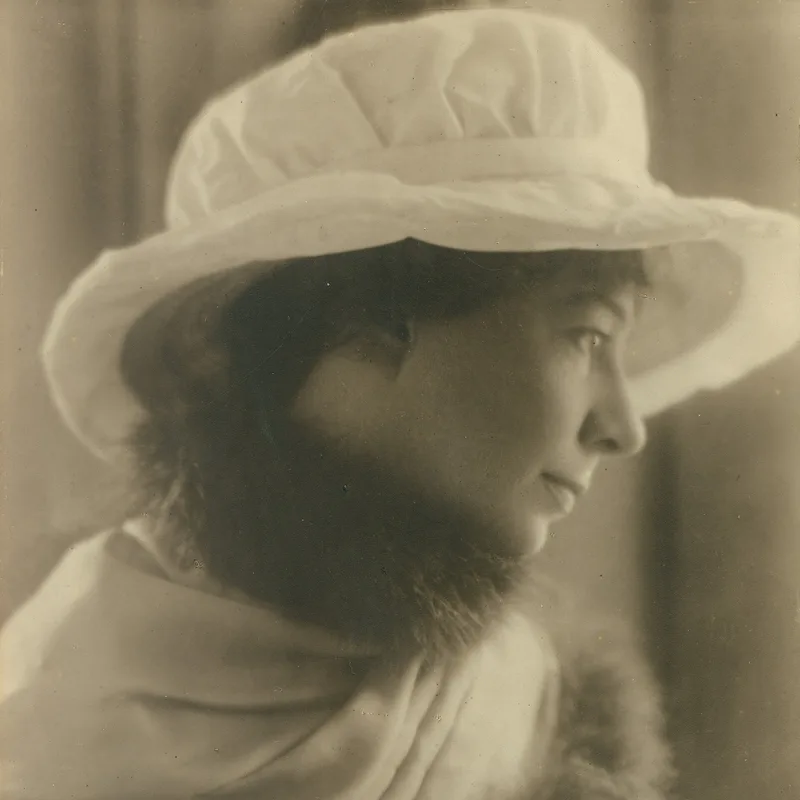
Sara Teasdale
Poet, 1884–1933
Lyric seeker of beauty
What is the meaning of life?
Spend all you have for loveliness, and never count the cost.
Teasdale grew up in a sheltered, well-to-do family in St. Louis and became one of the most popular American lyric poets of her time; her Love Songs (1917) won the first prize that later became the Pulitzer Prize for Poetry. Her short, musical poems praise beauty as the thing most worth having: life has loveliness to sell, and for one white singing hour of peace, many years of strife are well lost.
-
“Spend all you have for loveliness, / Buy it and never count the cost; / For one white singing hour of peace / Count many a year of strife well lost, / And for a breath of ecstasy / Give all you have been, or could be.”1
What is the meaning of the universe?
Nature would not notice if humankind vanished.
Written during the First World War, There Will Come Soft Rains imagines the world after humanity has destroyed itself: swallows, frogs and plum trees go on, and not one of them would care. It is one of the starkest statements in American poetry of nature's indifference to human beings. In 1950 Ray Bradbury borrowed its title for a famous short story about a house that goes on working after its family is gone.
-
“Not one would mind, neither bird nor tree / If mankind perished utterly; / And Spring herself, when she woke at dawn, / Would scarcely know that we were gone.”2