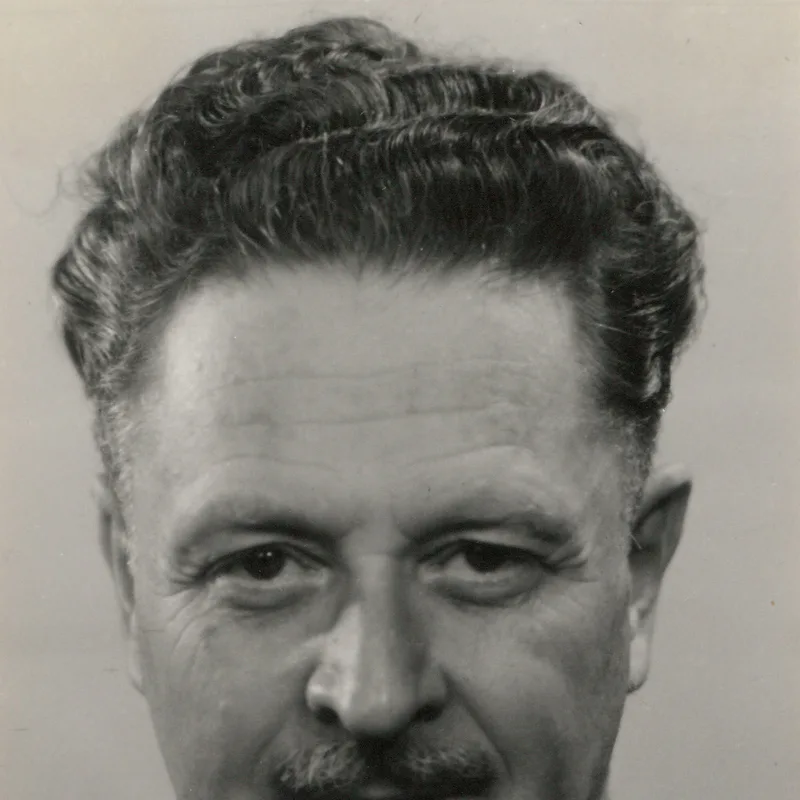
纳齐姆·希克梅特
诗人、剧作家,1902–1963
马克思主义唯物论者
人生的意义是什么?
像松鼠一样,极其认真地生活,不期待彼岸的任何东西。
希克梅特于1947至1948年在布尔萨监狱写下《论生活》,当时他正因共产主义政治活动服长期徒刑。诗的第一部分定下了基调:活着不是儿戏,必须极其认真地活,像松鼠那样,不去寻求活着本身之外的任何东西——所以哪怕到了七十岁,你也要种橄榄树。同一时期在狱中写的《邀请》给出了答案的社会一半:像一棵树那样孤独而自由地活,像一片森林那样亲如兄弟地活。意义不在生活背后;意义就是活着本身,全心全意地、一起活着。
-
“Living is no laughing matter: / you must live with great seriousness / like a squirrel, for example— / I mean without looking for something beyond and above living, / I mean living must be your whole occupation.”1
-
“To live! Like a tree alone and free / Like a forest in brotherhood / THIS YEARNING IS OURS.”2
宇宙的意义是什么?
这颗星球终将在黑暗的太空中冷却;但还是要爱它。
希克梅特是马克思主义者和唯物论者,他的诗描绘了一个背后空无一物的宇宙。在《论生活》第三部分(1948)中,地球是群星中的一颗星,而且是最小的之一,是蓝色天鹅绒上的一粒金屑;它终有一天会冷却,像一颗空核桃一样在漆黑的太空中滚动;正确的回应是现在就为此悲伤,并且爱这个世界爱到足以说出“我活过”。他的诗不向任何神说话,也不许诺来世;它们紧紧抓住的是泥土、太阳和人。在狱中写下的《今天是星期天》里,他被带出来晒太阳,看到天空多么遥远、多么蓝、多么辽阔,便靠着墙坐下,满心幸福——泥土、太阳和他自己。
-
“This earth will grow cold, / a star among stars / and one of the smallest, / a gilded mote on blue velvet— / I mean this, our great earth. / This earth will grow cold one day, … / like an empty walnut it will roll along / in pitch-black space . . . / You must grieve for this right now / —you have to feel this sorrow now— / for the world must be loved this much / if you're going to say "I lived" . . .”3
-
“Today is Sunday. / For the first time they took me out into the sun today. / And for the first time in my life I was aghast / that the sky is so far away / and so blue / and so vast / I stood there without a motion. … / The soil, the sun and me... / I feel joyful and how.”4