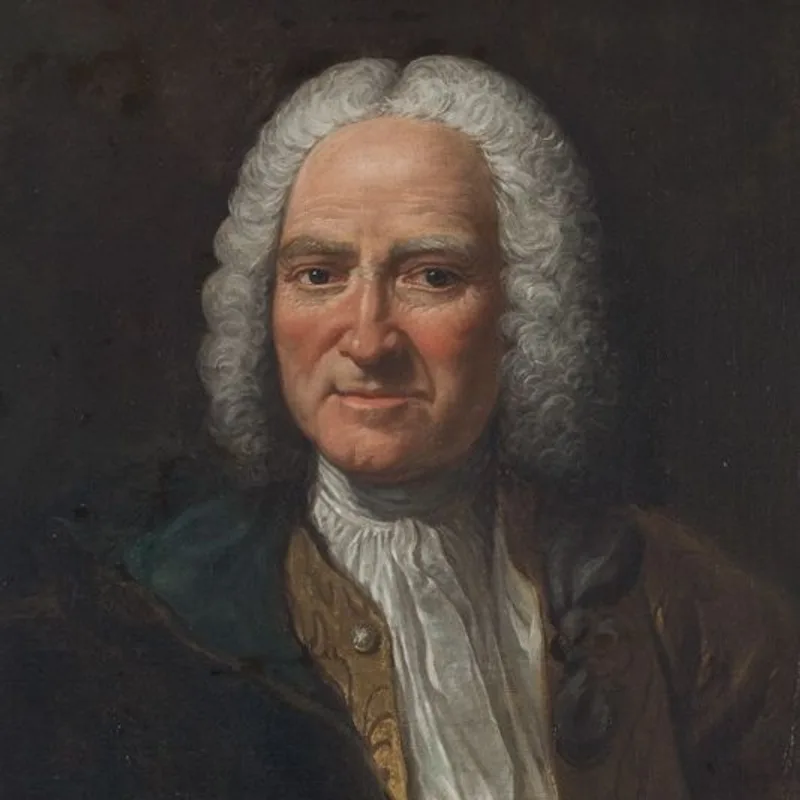
Baron d'Holbach
Philosopher, Encyclopedist, 1723–1789
Atheist materialist
What is the meaning of life?
Be happy, and know you cannot be happy alone.
Paul-Henri Thiry, Baron d'Holbach, was a German-born French nobleman whose Paris salon was a meeting place for Diderot, Hume and the other thinkers of the Enlightenment; he wrote or translated dozens of books against religion, most of them anonymously. In The System of Nature (1770), published under the name of a dead man, Mirabaud, he argued that people are made miserable by superstition and by looking for happiness beyond the world. Happiness is the natural aim of every human being and can only be found in this life, through virtue, which he defined as whatever is useful to people living together. The book ends with Nature herself speaking: she tells man to be happy, and reminds him that he can only secure his own happiness by securing that of others.
-
“Utility is nothing more than true happiness; to be useful is to be virtuous; to be virtuous is to make others happy.”1
-
“Be happy, then, O man! Nature invites thee to participate in it; but always remember, thou canst not be so alone; because I invite all mortals to happiness as well as thyself; thou will find it is only in securing their felicity that thou canst consolidate thine own.”2
What is the meaning of the universe?
Only matter and motion; knowing nature dissolves the gods.
For d'Holbach nothing exists but nature: matter in motion, ruled by necessary laws, an endless chain of causes and effects with no designer behind it. The soul is a function of the body and ends with it. The gods, he argued, were born of our ancestors' ignorance of natural causes and their fear of forces they could not explain, and priests and kings had used that fear to keep people obedient. The System of Nature was condemned by the Parlement of Paris and burned, and even Voltaire, no friend of the Church, wrote a reply defending the existence of God.
-
“The universe, that vast assemblage of every thing that exists, presents only matter and motion: the whole offers to our contemplation, nothing but an immense, an uninterrupted succession of causes and effects…”3
-
“If the ignorance of nature gave birth to such a variety of gods, the knowledge of this nature is calculated to destroy them.”4