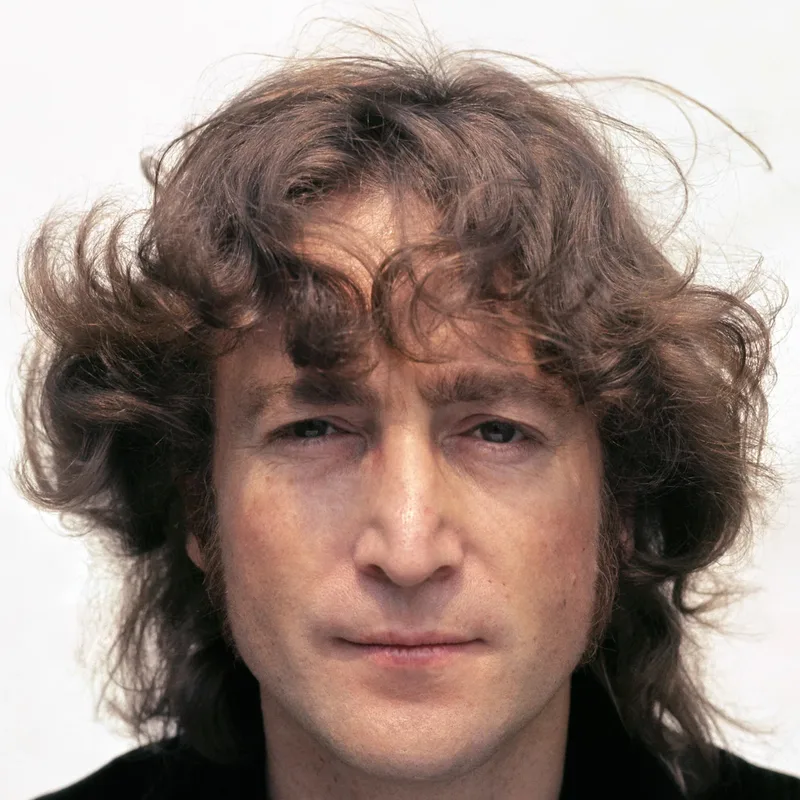
John Lennon
Singer-songwriter, Peace activist, 1940–1980
Unchurched believer
What is the meaning of life?
No answers to hand out; peace, love, and what you do now.
Lennon refused the role of guru. In the interviews he gave in his last months, in 1980, he said he had never claimed to have the answers to life — he only put out songs and answered questions as honestly as he could — and that an artist's job is to reflect what everyone feels, not to preach. What he did hold on to was simple: peace, love and understanding, and the idea behind Instant Karma, that what you do now has a reaction now. The five years he spent at home raising his son, from 1975 to 1980, were his own version of living in the present.
-
“I'm not claiming divinity. I've never claimed purity of soul. I've never claimed to have the answers to life. I only put out songs and answer questions as honestly as I can … But I still believe in peace, love and understanding.”1
-
“…my role in society – or any artist or poet's role – is to try to express what we all feel. Not to tell people how to feel, not as a preacher, not as a leader, but as a reflection of us all.”2
-
“Everybody was going on about karma, especially in the Sixties. But it occurred to me that karma is instant as well as it influences your past life or your future life. There really is a reaction to what you do now. That's what people ought to be concerned about.”3
What is the meaning of the universe?
No old man in the sky; something in all of us.
Lennon was raised Anglican in Liverpool, dropped it as a teenager, and spent the rest of his life arguing with religion rather than ignoring it. In 1966, defending his remark that the Beatles were more popular than Jesus, he borrowed the Bishop of Woolwich's phrase: God is not an old man in the sky but something in all of us. That stayed his position — we are all God, the kingdom of heaven is within — through the Maharishi, through the song God, which strips away every idol, and through Imagine, which he said was aimed not at religion but at the claim that my god is bigger than your god. In 1977 he briefly declared himself born again. By 1980 he called himself a most religious fellow who had no need of a church.
-
“…not as an old man in the sky. I believe that what people call God is something in all of us.”4
-
“We're all God. Christ said, "The Kingdom of Heaven is within you." And the Indians say that and the Zen people say that. We're all God. I'm not a god or the God, but we're all God and we're all potentially divine — and potentially evil. We all have everything within us and the Kingdom of Heaven is nigh and within us, and if you look hard enough you'll see it.”5
-
“If you can imagine a world at peace, with no denominations of religion – not without religion, but without this 'my god is bigger than your god' thing – then it can be true.”6
-
“People always got the image I was an anti-Christ or antireligion. I'm not. I'm a most religious fellow.”7