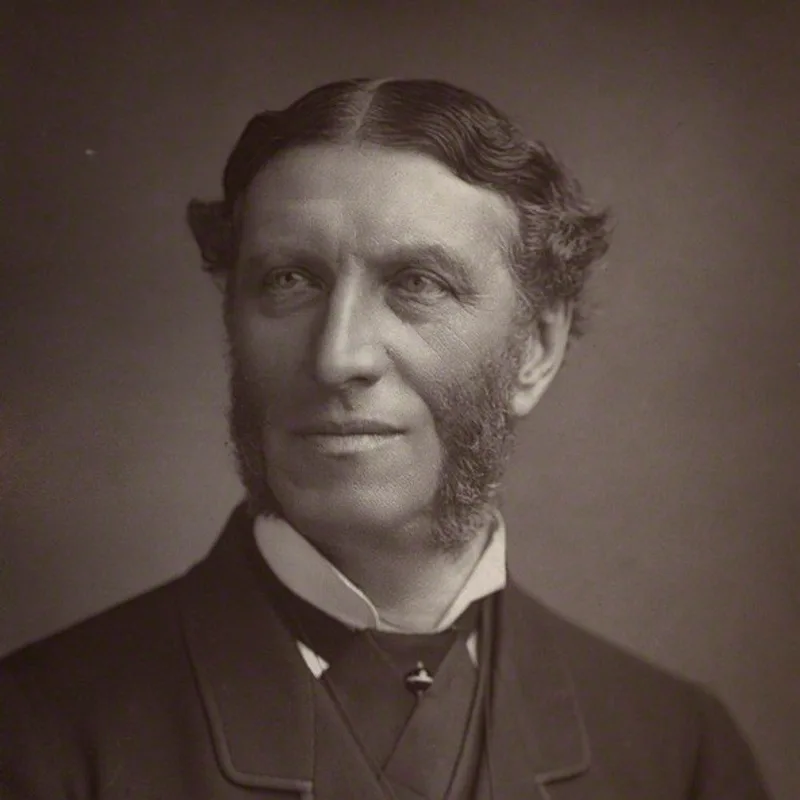
Matthew Arnold
Poet, Critic, School inspector, 1822–1888
Anglican without dogma
What is the meaning of life?
Conduct is three-fourths of life; be true to one another.
Arnold was the son of Thomas Arnold, the famous headmaster of Rugby, and spent thirty-five years as an inspector of schools while writing poetry and, later, criticism that tried to bring “the best that has been thought and said” to bear on English life. In Literature and Dogma (1873) he argued that what religion is really about is conduct, how we live, which he reckoned at three-fourths of life. “Dover Beach”, the poem he is best remembered for, gives a darker answer: in a world without certitude or help for pain, what is left is for people to be true to one another.
-
“And so, when we are asked, what is the object of religion? — let us reply: Conduct. And when we are asked further, what is conduct? — let us answer: Three-fourths of life.”1
-
“Ah, love, let us be true / To one another! for the world, which seems / To lie before us like a land of dreams, / So various, so beautiful, so new, / Hath really neither joy, nor love, nor light, / Nor certitude, nor peace, nor help for pain;”2
What is the meaning of the universe?
The sea of faith withdraws; an enduring power makes for righteousness.
Arnold felt the Victorian loss of faith as keenly as anyone: in “Dover Beach” the sea of faith, once full, is heard only in its long, withdrawing roar. But he did not give religion up. In Literature and Dogma he argued that the Bible had been misread as science and metaphysics, as if it described a great Personal First Cause, the moral and intelligent Governor of the universe, when what the Hebrews really knew from experience was an enduring power, not ourselves, that makes for righteousness. That much, he thought, could be verified in experience; miracles and dogma could not, and he let them go.
-
“The sea of faith / Was once, too, at the full, and round earth's shore / Lay like the folds of a bright girdle furled. / But now I only hear / Its melancholy, long, withdrawing roar, / Retreating, to the breath / Of the night-wind, down the vast edges drear / And naked shingles of the world.”2
-
“There is an enduring power, not ourselves, which makes for righteousness.”1