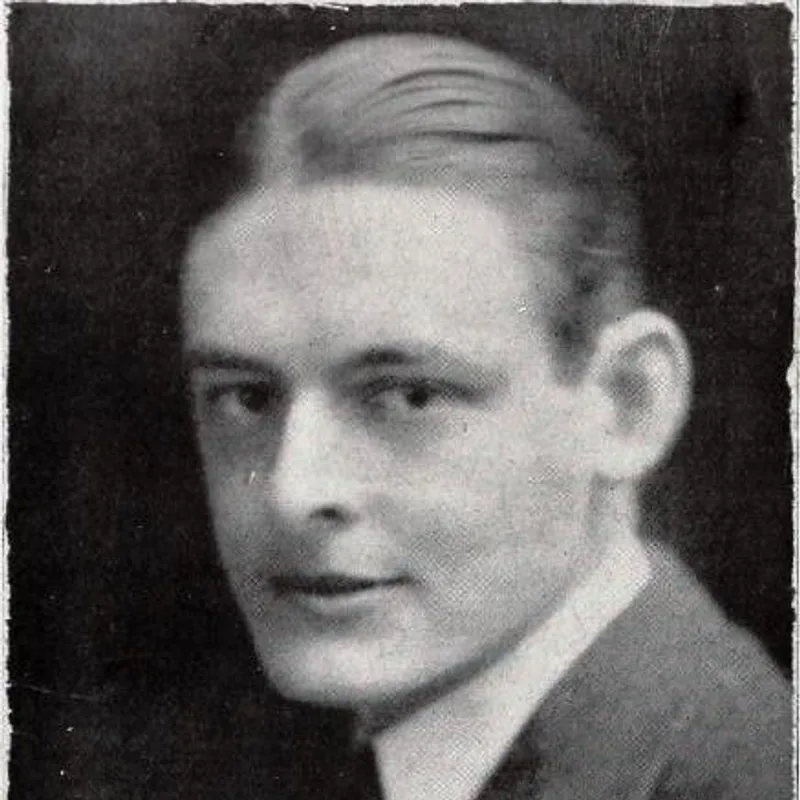
T. S. Eliot
Poet, Critic, 1888–1965
Anglo-Catholic convert
What is the meaning of life?
Teach us to care and not to care, to sit still.
Eliot, born in St. Louis and settled in London, became the defining poet of modernism with The Waste Land (1922), a collage of voices from a civilisation in ruins after the First World War, and received the Nobel Prize in Literature in 1948. In 1927 he was baptised into the Church of England and became a British subject, and the first long poem he wrote as a believer, Ash-Wednesday (1930), is a poem of turning: of the soul, too worn to fly, asking to be taught detachment and stillness, to care and not to care, to sit still.
-
“Because these wings are no longer wings to fly / But merely vans to beat the air / The air which is now thoroughly small and dry / Smaller and dryer than the will / Teach us to care and not to care / Teach us to sit still.”1
What is the meaning of the universe?
The world ends with a whimper; our peace is in His will.
Before his conversion, Eliot's poems showed a world emptied of meaning: The Hollow Men (1925), about men stuffed with straw and a kingdom of death, ends with the most quoted lines he wrote, the world ending not with a bang but a whimper. Ash-Wednesday answers it with the faith he had found, echoing Dante's line that in God's will is our peace. He became an Anglo-Catholic of strict observance, and his later Four Quartets meditate on time and eternity in the language of Christian mysticism.