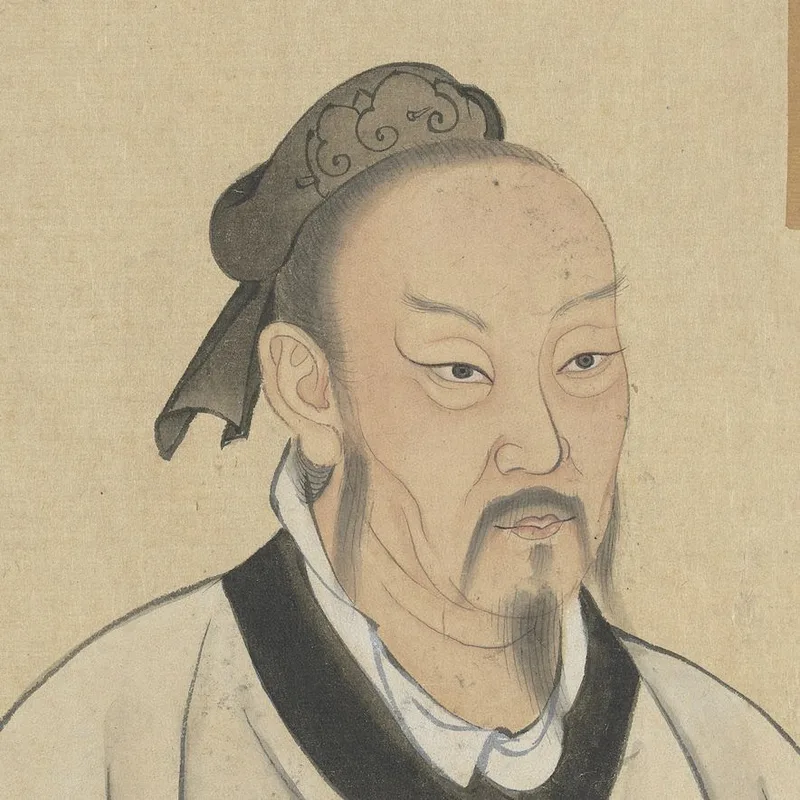
Mencius
Philosopher, c. 372 – c. 289 BC
Confucian
What is the meaning of life?
Cultivate the good in your nature; prefer righteousness to life itself.
Mencius, born about a century after Confucius, became the most important interpreter of his teaching and spent years travelling between the courts of warring states, urging rulers to govern through humaneness. He taught that human nature is good: everyone has the sprouts of benevolence, righteousness, propriety and wisdom, as surely as they have four limbs, and a good life is one that cultivates them. Some things are worth more than life itself. Given the choice between living and doing right, a person of character lets life go.
-
“…I like life, and I also like righteousness. If I cannot keep the two together, I will let life go, and choose righteousness. I like life indeed, but there is that which I like more than life, and therefore, I will not seek to possess it by any improper ways.”1
-
“When neither a premature death nor long life causes a man any double-mindedness, but he waits in the cultivation of his personal character for whatever issue; this is the way in which he establishes his Heaven-ordained being.”2
What is the meaning of the universe?
Know your own nature and you know Heaven.
For Mencius, Heaven (tian) is the moral order behind the world and the source of human nature itself. It does not speak; it shows its will through events and through the people, who accept or reject a ruler. Because our nature comes from Heaven, the way to know Heaven runs inward: a person who fully develops the heart and mind comes to know their nature, and in knowing it knows Heaven. To preserve that heart and nourish that nature is to serve Heaven.
-
“He who has exhausted all his mental constitution knows his nature. Knowing his nature, he knows Heaven. To preserve one's mental constitution, and nourish one's nature, is the way to serve Heaven.”2