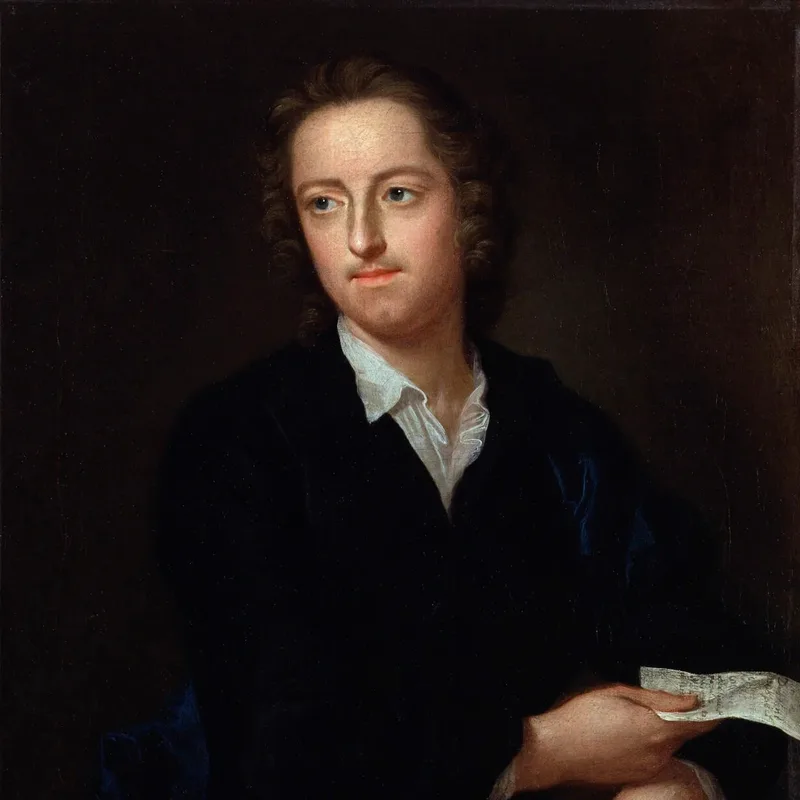
Thomas Gray
Poet, Scholar, 1716–1771
Melancholy Christian
What is the meaning of life?
The paths of glory lead but to the grave.
Gray spent most of his life as a shy scholar at Cambridge, published very little, and turned down the post of Poet Laureate. His Elegy Written in a Country Churchyard (1751), a meditation among the graves of poor villagers, became one of the most quoted poems in English. Its point is that death levels everyone: heraldry, power, beauty and wealth all wait for the same hour, and the obscure dead may have been as gifted as the famous; elsewhere he wrote that where ignorance is bliss, it is folly to be wise.
-
“The boast of heraldry, the pomp of pow'r, / And all that beauty, all that wealth e'er gave, / Await alike the inevitable hour: / The paths of glory lead but to the grave.”1
-
“Yet ah! why should they know their fate? / Since sorrow never comes too late, / And happiness too swiftly flies. / Thought would destroy their paradise. / No more; where ignorance is bliss, / 'Tis folly to be wise.”2
What is the meaning of the universe?
Heaven gives the humble what they truly want: a friend.
Gray's Elegy ends with the epitaph of an unknown young man, poor and melancholy, whose only treasure was a generous heart: he gave misery all he had, a tear, and gained from Heaven all he wished for, a friend. His faults and merits, the poem says, now rest in trembling hope in the bosom of his Father and his God. Gray's faith was quiet and conventional, but the poem trusts that heaven sees what the world overlooks.
-
“Large was his bounty, and his soul sincere, / Heav'n did a recompense as largely send: / He gave to Mis'ry all he had, a tear, / He gained from Heav'n ('twas all he wished) a friend.”3