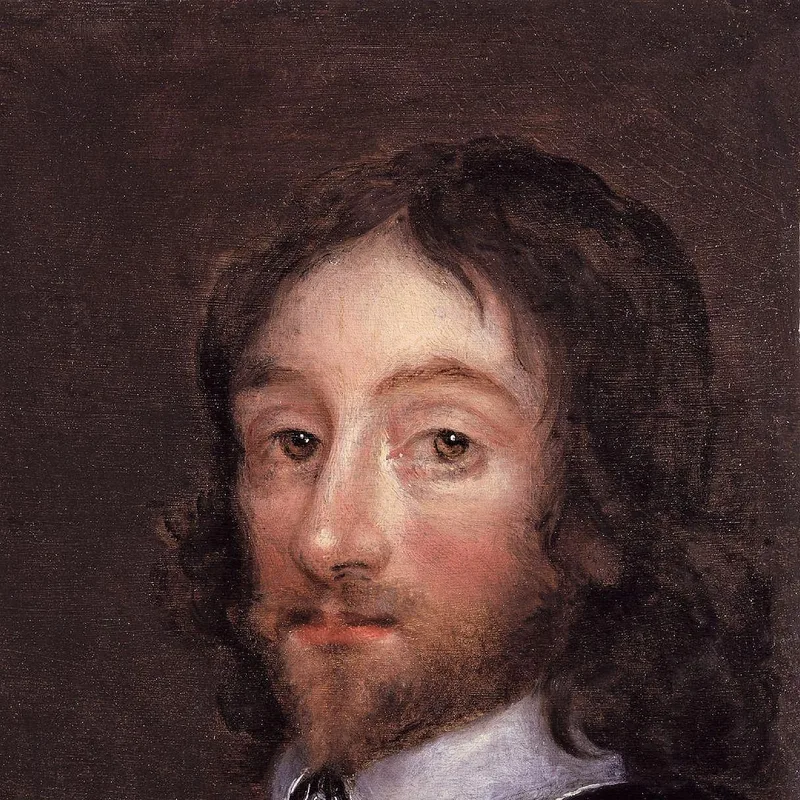
Thomas Browne
Physician, Writer, 1605–1682
Physician of faith and wonder
What is the meaning of life?
Life is a pure flame, lit by an invisible sun within.
Browne studied medicine at Montpellier, Padua and Leiden and practised as a physician in Norwich for nearly fifty years. His essays are known for their rolling, Latinate prose and their mixture of curiosity, scepticism and faith. In Hydriotaphia, Urn Burial (1658), prompted by the discovery of ancient burial urns in a Norfolk field, he reflects on how little of the dead survives and on the vanity of monuments. Against oblivion he sets an inward light: life is a pure flame, and we live by an invisible sun within us.
-
“Life is a pure flame, and we live by an invisible Sun within us.”1
What is the meaning of the universe?
Nature is the art of God.
In Religio Medici (The Religion of a Physician, 1643), written for himself and first printed without his permission, Browne set out a tolerant Anglican faith that delights in mystery; he even complained that there were not impossibilities enough in religion for an active faith. He read the world as God's second book, beside scripture, and argued that nothing in nature is truly deformed or accidental: all things are artificial, for nature is the art of God. The book was quickly translated into Latin, Dutch and French and read across Europe.
-
“All things are artificial, for nature is the Art of God.”2