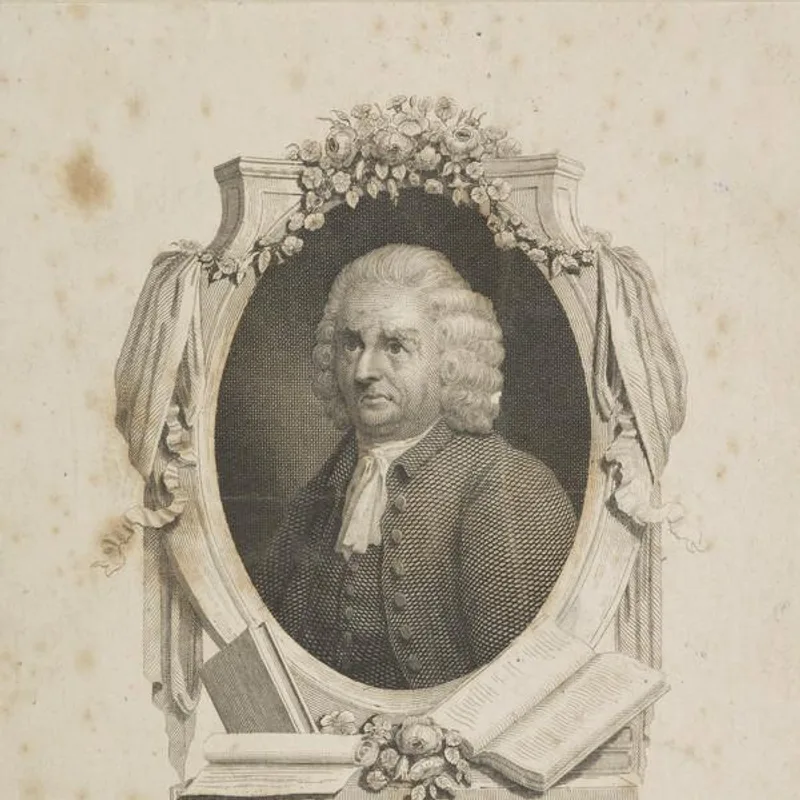
William Law
Priest, Writer, 1686–1761
Devout Anglican mystic
What is the meaning of life?
Rooting out pride and envy makes us happy even in this life.
Law was a Cambridge fellow who lost his post in 1714 for refusing, on grounds of conscience, to swear allegiance to the new king, George I; he became tutor in the household of the historian Edward Gibbon's father and later retired to a life of prayer and charity in his native village. His A Serious Call to a Devout and Holy Life (1729) argued that faith must shape every hour of ordinary life; Samuel Johnson said it was the first book that made him think seriously about religion, and it deeply influenced John Wesley. Law insisted that holiness is not a burden: the person who roots out pride, envy and ambition is doing more for his own happiness, even in this life, than the person who indulges them.
-
“He that is endeavouring to subdue, and root out of his mind, all those passions of pride, envy and ambition, which religion opposes, is doing more to make himself happy, even in this life than he that is contriving means to indulge them.”1
What is the meaning of the universe?
Faith must show in the whole course of life, not in words.
Law held that if Christians truly believe that this world is passing and heaven is their home, that belief has to appear in the whole of their lives, in how they work, spend and use the world, since it can have no place anywhere else. In later years he was drawn to the mysticism of Jacob Boehme, and wrote of God as pure love working in the depths of the soul. His spiritual writings deeply shaped the early Methodists.
-
“If contempt of the world and heavenly affection is a necessary temper of christians, it is necessary that this temper appear in the whole course of their lives, in their manner of using the world, because it can have no place anywhere else.”2